Reps. Brown, Cleaver, and Foushee Introduce Prison Libraries Act to Reduce Recidivism and Expand Educational Opportunities for Incarcerated Americans
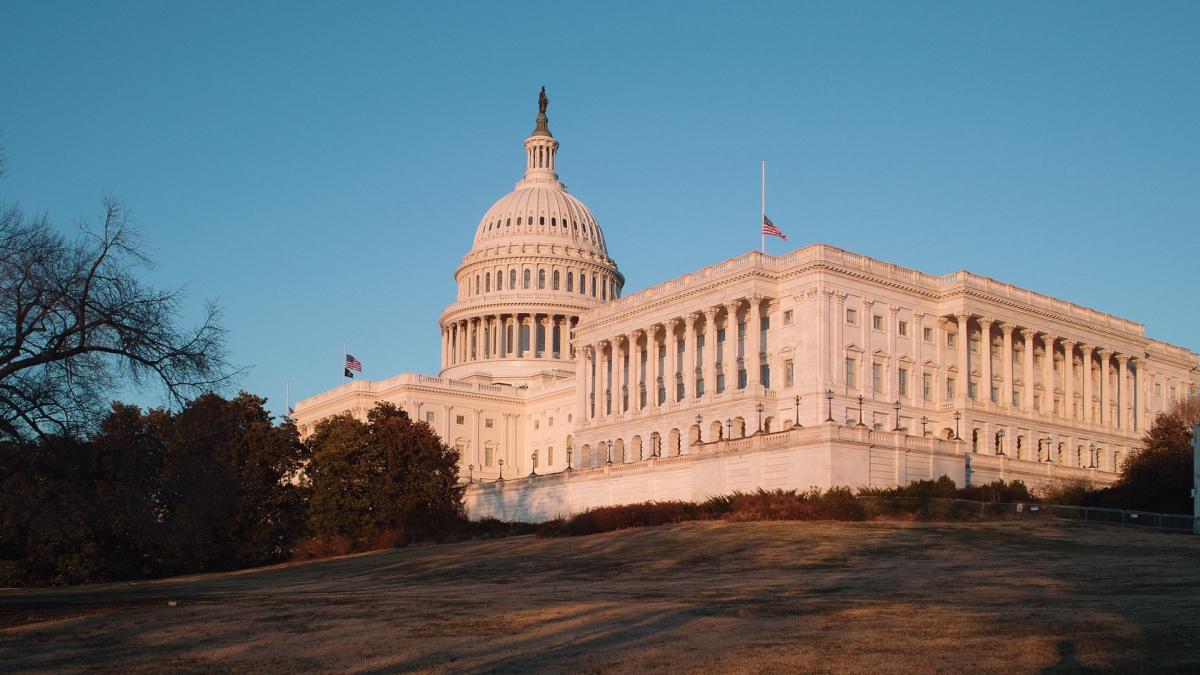
Washington, DC – Congresswoman Shontel Brown (D-OH), joined Rep. Emanuel Cleaver, II (D-MO), and Rep. Valerie Foushee (D-NC) to re-introduce the Prison Libraries Act to expand library resources in U.S. state and territory correctional facilities, aiming to increase educational opportunities, advance reintegration efforts, and reduce recidivism. The bill will authorize federal funds for state prisons to expand library resources and services to support the education and skills training of incarcerated Americans.
Official text of the Prison Libraries Act is available here.
“Everyone deserves to have access to learning, ideas, and information no matter where they are,” said Congresswoman Brown. “The Prison Libraries Act would help give incarcerated community members the resources they need to pursue knowledge and development opportunities they would not have otherwise received. When people have access to education and information, they’re better equipped to succeed when they come home, and our communities are safer and stronger.”
“America’s correctional system is far too often focused on punishment rather than rehabilitation. The Prison Libraries Act is an attempt to shift this dynamic, providing incarcerated Americans with increased access to education and skills training services that will better prepare them for reintegration into society,” said Congressman Cleaver. “By making strategic investments in the rehabilitative components of America’s correctional facilities, we can reduce recidivism, strengthen public safety, and curtail the growing costs of our correctional system.” Congressman Cleaver added.
“Libraries give everyone the chance to learn and grow, yet many correctional facilities lack the infrastructure to provide these essential resources,” said Congresswoman Valerie Foushee. “To reduce recidivism and support successful reintegration, our justice system must provide incarcerated individuals with ways to prepare for life after release. I’m proud to join my colleagues in introducing the Prison Libraries Act to help more prisons establish libraries and educational programs, giving people the necessary tools to build skills and successfully re-enter their communities.”
Over 600,000 individuals are released from federal and state prisons each year. Upon release, these individuals often struggle to reintegrate into their communities. This struggle is exacerbated by prisons often offering incarcerated individuals little to no educational or job training opportunities. The lack of such resourceful opportunities affects formerly incarcerated individuals' ability to find gainful employment once released and increases the likelihood of recidivism. Libraries are one of the most powerful and transformative resources against recidivism, but they tend to be substantially underutilized, scarce, insufficiently funded, and inadequately equipped with learning, training, information, and communication materials and technologies in American jails and prisons.
In 2025, The American Library Association reported that the Ohio Reformatory for Women provided just two reentry computers for a population of 2,300 women. These reentry computers allowed women to create resumes and search for incarceration-friendly employers through the Ohio Means Jobs. The impact of this library resource could help more women educate themselves about the employment opportunities and the business environment they face once released. Thus, increasing their ability to be successful outside of prison. With adequate investment and support for this effort, more incarcerated community members will be impacted positively nationwide.
The Prison Libraries Act would authorize a competitive grant program for state and U.S. territory prisons to:
Offer adequate library services, including education and job training, digital literacy, career readiness programming, and computer and internet access, among other services, for free;
Invest in acquiring updated materials and equipment that reflect the prison population's interests, identities, abilities, and languages;
Expand the infrastructure of prison libraries;
Hire well-trained and qualified staff to manage libraries, their resources, and services; and
Build a collaborative relationship with respective local public libraries.
The Prison Libraries Act is endorsed by the American Library Association, Books Through Bars, Citizens United for Rehabilitation of Errants, DC Books to Prisons, Friends & Foundation of the San Francisco Public Library, Missouri Humanities, Missouri Prison Books, Prison Book Program, Prison Library Project at Claremont Forum, Prisoners Literature Project, Vera Institute of Justice, and Books to Prisoners Seattle.
The Prison Libraries Act is cosponsored by Representatives Ed Case (D-HI), Sheila Cherfilus-McCormick (D-FL), Jasmine Crockett (D-TX), Suzan DelBene (D-WA), Cleo Fields (D-LA), Dwight Evans (D-PA), Jesús “Chuy” García (D-IL), Eleanor Holmes Norton (D-DC), Hank Johnson (D-GA), Julie Johnson (D-TX), Summer Lee (D-PA), LaMonica McIver (D-NJ), Emily Randall (D-WA), David Scott (D-GA), Terri Sewell (D-AL), Lateefah Simon (D-CA), Shri Thanedar (D-MI), Rashida Tlaib (D-MI), and Bennie Thompson (D-MS).
###
Media Contact
Communications Director: Will McDonald
Email: Will.McDonald@mail.house.gov