Brown Calls for GAO Review of Trump Admin Plans to Sell Celebrezze Federal Building
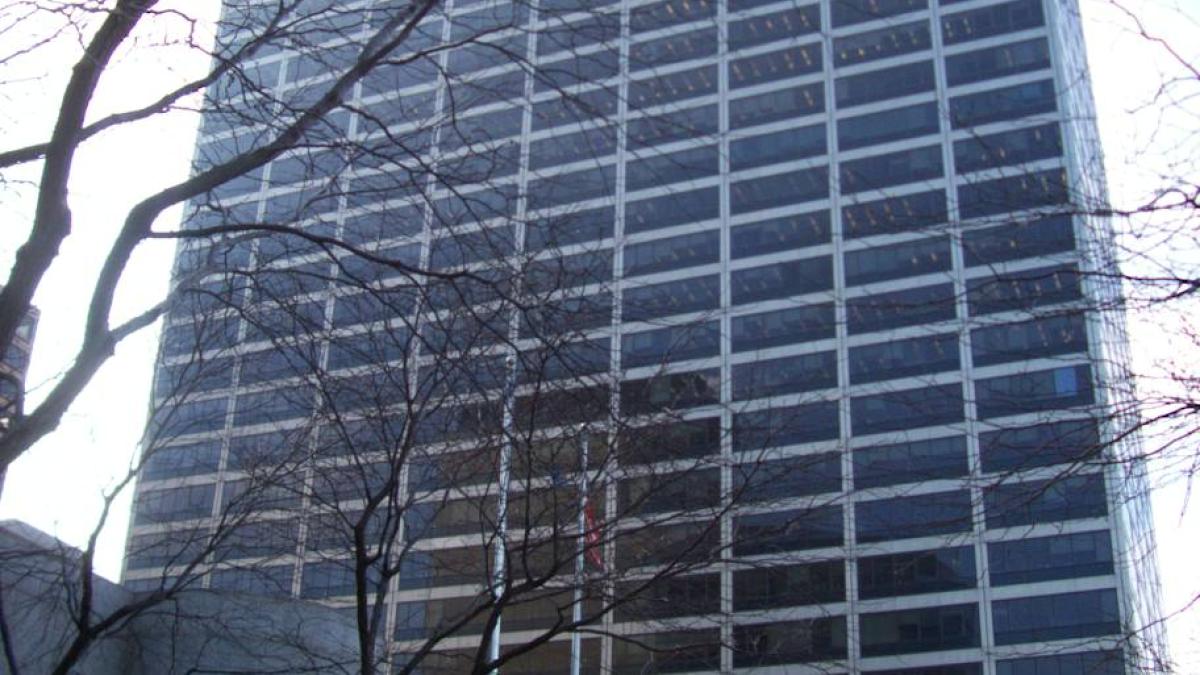
Washington, DC – Congresswoman Shontel Brown (OH-11) has written to the US Government Accountability Office (GAO) requesting a review of the General Services Administration’s (GSA) accelerated disposition of the Anthony J. Celebrezze Federal Building in Cleveland.
Brown wrote to the GAO’s Acting Comptroller General on February 25 requesting GAO review regarding “whether GSA’s decision-making process comports with GAO’s best-practice recommendations for federal real property management and sound stewardship of taxpayer resources.” Brown’s letter also asks, “Does GSA’s refusal to provide Congress or the public with supporting analysis beyond an aggregate $180 million deferred maintenance figure align with GAO guidance on transparency, documentation, and maintaining a clear record of how disposal decisions are evaluated and justified?”
Congresswoman Brown forcefully spoke out against the Trump Administration’s initial efforts to dispose of the building in March of last year, writing to GSA to highlight the devastating impact a sale could have on federal services and downtown Cleveland. In July, Brown wrote to GSA a second time, demanding the data GSA was using to move forward with “accelerated disposition” of the building.
“GSA has continued its reckless rush to dispose of the Celebrezze Federal Building by seeking information on space availability and rental rates for the resulting lease projects. Throughout this process, GSA has stonewalled my office as we seek the basic facts behind their decision. This is simply unacceptable, and it has real consequences for Cleveland, our federal workers, and taxpayers’ money. GSA also continues to rely on a single deferred maintenance figure that doesn’t pass the smell test. Deferred maintenance doesn’t constitute actual taxpayer savings, and GSA has refused to share even the most basic details from their analysis or explain how this plan aligns with new space utilization requirements. That’s why I’m asking GAO to step in and answer some basic questions: whether this decision follows best practices, reflects real long-term value, and meets the standard of accountability taxpayers deserve,” said Congresswoman Shontel Brown.
The US Government Accountability Office is an independent, non-partisan agency that works for Congress. GAO examines how taxpayer dollars are spent and provides Congress and federal agencies with objective, non-partisan, fact-based information to help the government save money and work more efficiently.
The text of the letter is as follows:
Ms. Orice Williams Brown
Acting Comptroller General of the United States
Government Accountability Office
441 G. Street, NW, Rm 7125
Washington, DC 20548
Dear Acting Comptroller General Orice Williams Brown,
I write to request the Government Accountability Office’s (GAO) review of several outstanding concerns related to the General Services Administration’s accelerated disposition of the Anthony J. Celebrezze Federal Building in Cleveland, Ohio, with a focus on whether GSA’s decision-making process comports with GAO’s best-practice recommendations for federal real property management and sound stewardship of taxpayer resources.
Federal real property management has remained on GAO’s High-Risk List for more than two decades due to persistent challenges related to underutilized space, unreliable data, deferred maintenance, and inconsistent application of life-cycle cost analysis[1]. GAO has repeatedly emphasized that effective asset disposition decisions should be grounded in reliable utilization and condition data, portfolio-level planning, transparent analytical assumptions, and a disciplined comparison of alternatives based on long-term value—not solely near-term cost avoidance. Moreover, in prior reports evaluating the Federal Assets Sale and Transfer Act (FASTA), GAO has emphasized that while expedited disposal mechanisms can reduce friction, the absence of a documented decision record undermines confidence in the rationale for disposition and limits Congress’s ability to assess whether statutory and taxpayer interests are being met[2].
In limited public statements and correspondence with my office, GSA has publicly justified the accelerated disposition of the Celebrezze Building primarily on the basis of avoided deferred maintenance costs. For example, in its May announcement, GSA stated it expects to “save taxpayers over $180 million in maintenance and redevelopment costs”[3]. GSA has repeatedly cited this single aggregate figure as the principal justification for accelerated disposition of the Celebrezze Building, while declining to provide Congress or the public with supporting information, stakeholder input, underlying assumptions, or comparative analysis.
At the same time, GSA intends to consolidate tenants into a variety of leased spaces in the same market and is operating under new statutory requirements related to space utilization and return-to-work[4][5]. These circumstances raise serious questions about whether the disposition rationale reflects a complete, best-practice assessment of taxpayer value, space needs, and long-term fiscal exposure.
Given GAO’s role in identifying leading practices, assessing process integrity, and evaluating whether agency actions align with statutory intent and sound management principles, I respectfully request GAO’s consideration of the following questions related to the process underlying GSA’s decision to pursue accelerated disposition of this asset:
- GSA has asserted that disposing of certain federally owned buildings will generate taxpayer savings by avoiding deferred maintenance costs. Does this approach align with GAO’s best practices for federal real property decision-making, including the use of documented life-cycle cost or net present value analyses that assess whether avoided maintenance costs result in net savings when compared with the full costs of alternatives, such as leasing replacement space, tenant improvements, relocation expenses, lease administration, and long-term rent escalation?
- In light of the USE IT Act and federal return-to-work directives, does GSA’s process for identifying properties for disposal align with GAO guidance on assessing utilization, mission need, and consolidation opportunities across an agency’s owned portfolio prior to determining that continued ownership is no longer cost-effective or operationally necessary?
- Where GSA seeks to dispose of federally owned office space while pursuing lease space in the same market, does GAO guidance indicate that changes in appraisal values, rental market conditions, and lease pricing dynamics should be reassessed to determine whether updated market conditions could materially alter the analysis underpinning disposition?
- Given staffing reductions and ongoing organizational restructuring within GSA’s Public Buildings Service, does GSA’s approach to accelerated property disposition align with GAO’s High-Risk framework, including expectations for internal controls, management oversight, documentation, and analytical rigor when making high-value asset decisions?
- Does GSA’s refusal to provide Congress or the public with supporting analysis beyond an aggregate $180 million deferred maintenance figure align with GAO guidance on transparency, documentation, and maintaining a clear record of how disposal decisions are evaluated and justified?
Given GAO’s expertise in federal real property management, deferred maintenance, and asset disposition oversight, a review or inquiry into these issues would help ensure transparency, accountability, and sound stewardship of federal assets and taxpayer resources.
Thank you for your consideration. Please do not hesitate to reach out if additional context or documentation would be helpful.
Sincerely,
Media Contact
Communications Director: Will McDonald
Email: Will.McDonald@mail.house.gov